
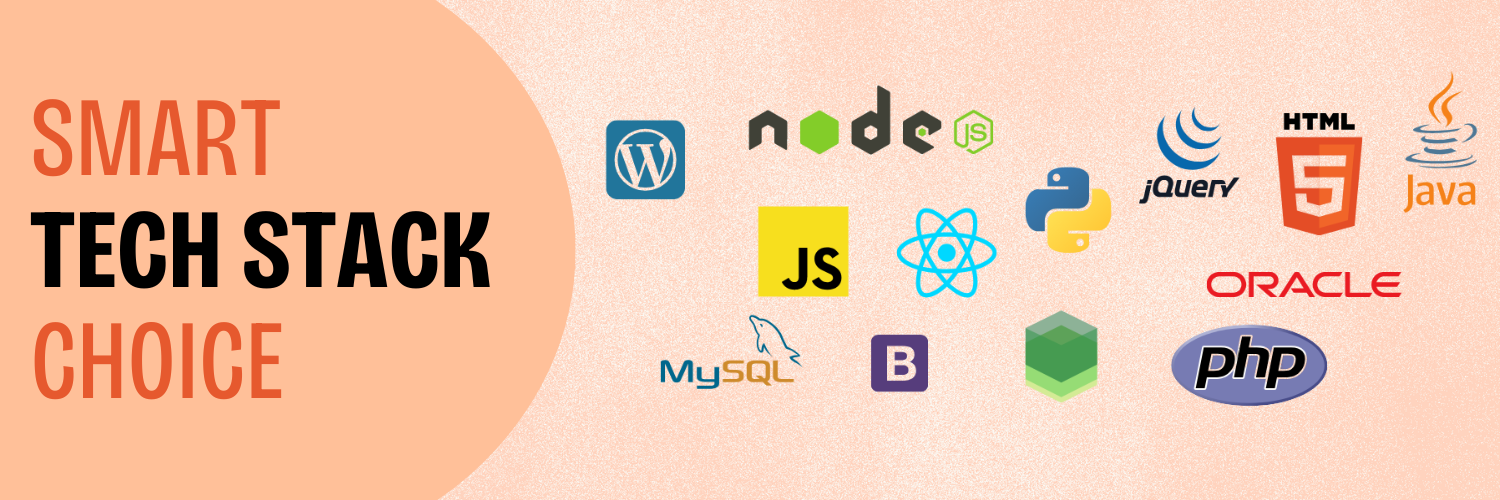
Choosing the right tech stack is one of the earliest and most crucial decisions in any digital project. Whether you’re planning to build a website, mobile app, ecommerce store, or custom software, the technologies you select will define how your application performs, how secure it is, and how easy it will be to update in the future. For this reason, many companies take guidance from experts offering software development services in India, web application development India, Shopify website developer support, or WordPress development services to avoid long-term technical issues.
This guide breaks down the concept of a tech stack, the factors you must evaluate, and how different technologies suit different types of projects, all in a simple and business-friendly way.
What Exactly Is a Tech Stack?
A tech stack is not just the programming language used in your project. It’s the full toolkit that developers rely on to build your application. It usually includes:
1. Front-End Technologies (What users interact with)
These tools handle visuals, design, and user experience.
Examples include:
- HTML, CSS, JavaScript
- React, Angular, Vue
- Shopify theme tools
- WordPress page builders
When you hire a Shopify web designer, a Shopify website developer, or a team for WordPress development services India, these front-end tools are heavily involved.
2. Back-End Technologies (Your application’s engine)
This part manages data, logic, APIs, and server activities.
Common options include:
- Node.js
- Java / Spring Boot
- PHP / Laravel
- Python / Django
- .NET
Depending on the platform, companies may choose to hire Java developers, hire nodejs developers, or opt for professional java development services or nodejs development services.
3. Databases
Where all your content, user information, and system data are stored.
Examples:
- MySQL
- PostgreSQL
- MongoDB
- Firebase
4. Cloud Services & DevOps
These tools support hosting, scaling, automation, and performance.
Examples include:
- AWS
- Google Cloud
- Docker
- Kubernetes
How to Choose the Right Tech Stack:
Choosing a tech stack isn’t about what’s “trending.” It’s about choosing what aligns with your business needs. Here are the core factors to consider:
1. What Kind of Application You Want to Build
Your project type plays the biggest role in stack selection.
For example:
- For a simple business website, WordPress or PHP
- For ecommerce, Shopify or WooCommerce
- For enterprise systems, Java or .NET
- For mobile apps, Swift, Kotlin, or Flutter
- For advanced custom software development India, A tailored stack like MERN or MEAN
Someone working on ios app development India would choose a very different stack than someone building a simple blog website.
2. Future Scalability and Growth
If your application needs to support more users, more traffic, or new features later, choose a stack that grows easily.
Examples:
- Node.js handles real-time and high-traffic apps well
- Java and .NET are excellent for secure, enterprise-grade systems
- Shopify is built to scale ecommerce stores
- WordPress works well for growing content websites
This is why many companies consult software development agencies or software development firms before making decisions.
3. How Quickly You Need to Launch
When businesses want fast development, they choose stacks that require less coding and have many ready-made tools.
Fast-to-launch combinations include:
- Node.js + React
- WordPress
- Shopify
- Python + Django
Startups choosing Startup software development services often prefer these stacks to release their MVP quickly.
4. Security Needs of Your Application
Different industries have different security expectations.
For example:
- Banking and finance apps → Java or .NET
- Ecommerce platforms → Shopify or Laravel
- Healthcare systems → Django
Working with the best software development company in India or a trusted it software company in Delhi helps ensure strong security practices.
5. Your Budget and Resource Availability
Budget is a practical factor.
For example:
- WordPress and Shopify are affordable options for small businesses
- Java and Node.js require more specialized developers
- Custom software development usually requires a larger team
Many businesses choose between website designing services in India or a full software development company in India based on their budget and long-term goals.
6. Long-Term Maintenance
Your tech stack should be easy to update, manage, and maintain for years.
Widely supported, stable, and future-proof technologies include:
- Java
- Node.js
- PHP
- React
- WordPress
- Shopify
Choosing popular technologies ensures you can always find skilled developers later.
Popular Tech Stack Options and When to Use Them
MERN Stack (MongoDB, Express, React, Node.js)
Great for custom apps, dashboards, and modern web applications.
MEAN Stack (MongoDB, Express, Angular, Node.js)
Ideal for enterprise-grade systems.
LAMP Stack (Linux, Apache, MySQL, PHP)
Affordable and perfect for small websites, blogs, and CMS platforms.
Java + Spring Boot
Best suited for secure, heavy-duty enterprise applications.
Shopify / WordPress
Excellent for ecommerce and business websites that need quick development.
How to Make Your Final Decision
Here’s a simple framework:
- Clarify your project’s goals and features
- Identify how fast you need to launch
- Evaluate your budget and long-term plans
- Understand the security requirements
- Check availability of developers
- Consult a reliable development partner for guidance
Final Notes
Your tech stack determines how well your application performs today — and how easily it grows tomorrow. Whether you need software development services, ecommerce website development India, ppc company in India, or support from a seo agency in Delhi NCR after launch, everything begins with the right technological foundation.